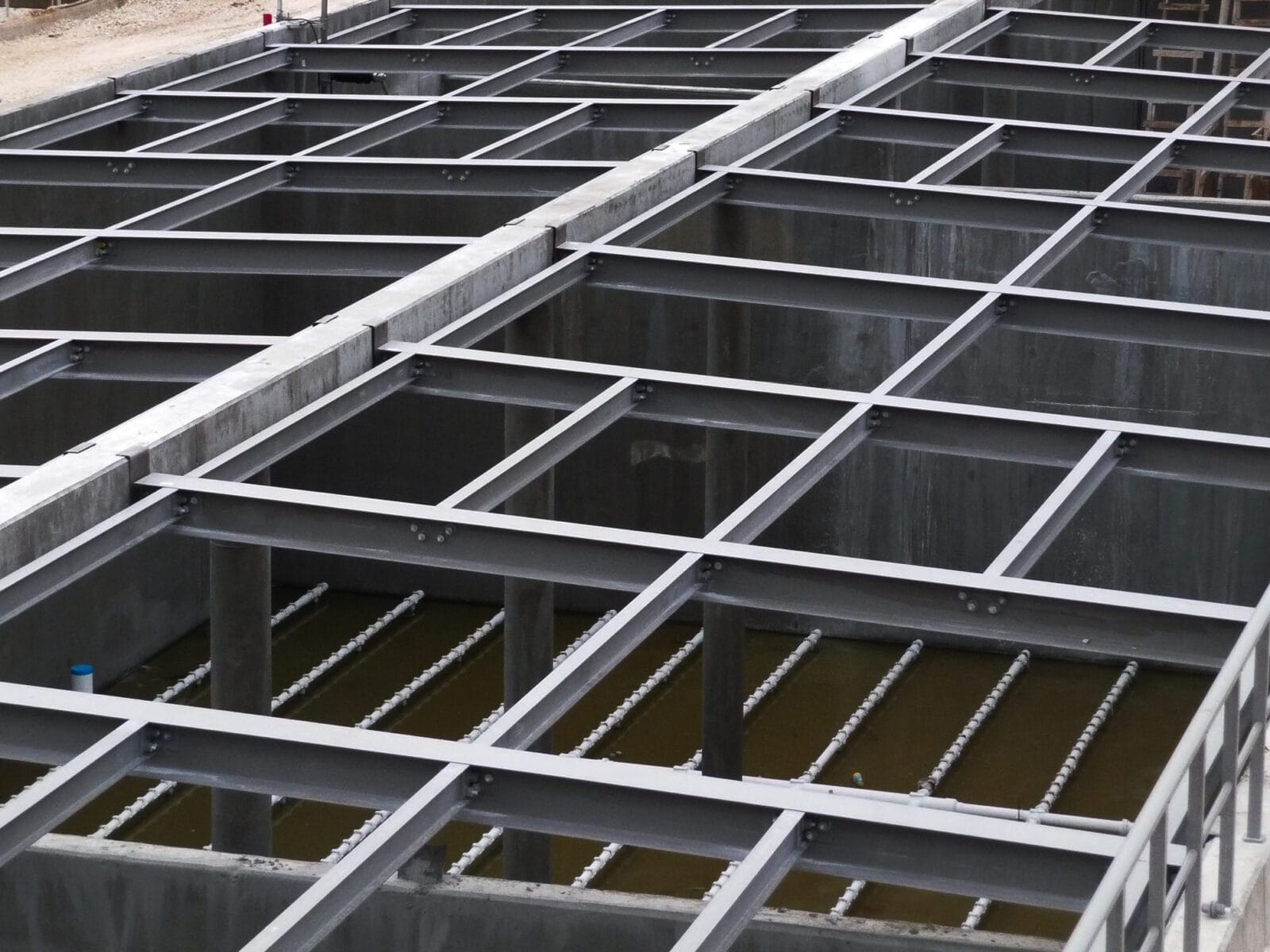
Fiberglass.
Mechanical machining of fiberglass.
How to process GRP: drilling, milling, punching, bonding, and painting.
GRP processing – drilling, milling, punching, gluing and painting.
GRP (glass fiber reinforced plastic) is easy to process with the right tools. Here are some simple recommendations to achieve the best possible results in different types of processing:
Drill into GRP.
For drilling in GRP is recommended:
- For hole diameters up to 12 mm: use a carbide drill bit according to DIN 8037 or DIN 8038.
- For hole diameters above 12 mm: use a diamond-tipped drill bit to reduce wear and achieve a finer drilling edge.
Milling in GRP.
- Use carbide milling cutters or diamond coated milling tools, as this allows higher feed rates and efficient machining.
- Feel free to use coolant to reduce heat build-up and avoid thermal damage to the material.
Punching GRP.
- Use tools made of hardened steel to maintain sharpness.
- The material thickness should not exceed 10 mm to avoid cracking and deformation during punching.
Glue the GRP.
Use polyurethane-based or epoxy resin-based adhesive for strong and durable adhesion.
- Prepare the surface carefully according to the following steps:
-
- Lightly roughen the surface to improve adhesion.
- Remove dust with compressed air or brush.
- Degrease the surface with a suitable degreaser before applying the adhesive.
- Always follow the adhesive manufacturer’s instructions for optimum strength.
Paint/varnish GRP.
- Clean and degrease the surface thoroughly with a solvent before painting.
- We recommend using a polyurethane (PUR) based paint system, preferably 2-component PUR paints with long life and high weather resistance.
- Always follow the paint manufacturer’s instructions when applying to ensure proper adhesion and finish.